When machines stop, production stops.
But what hurts more is the hidden time lost in fixing them.
- High machine maintenance time usually comes from reactive maintenance and poor visibility into machine problems.
- Most plants don’t track downtime clearly, so technicians keep fixing the same issues again and again.
- Manual reporting hides the real causes of breakdowns and delays root cause analysis.
- Simple steps like tracking downtime, preventive checks, and better communication can reduce maintenance delays.
- With real-time monitoring tools like Leanworx, plants can identify recurring issues early and shift from reactive to proactive maintenance.
What you’ll learn:
How to Fix High Machine Maintenance Time?
High machine maintenance time often comes from repeated breakdowns, poor visibility into machine issues, and reactive maintenance practices.
When plants don’t track downtime properly, technicians spend more time fixing problems instead of preventing them.
The key is simple: identify the real causes, track downtime clearly, and fix the biggest problems first.
In many manufacturing plants, machine maintenance slowly becomes a silent productivity killer. Machines stop frequently, technicians spend hours fixing issues, and production teams struggle to meet daily targets.
At first, these maintenance activities may seem normal. Every machine needs maintenance, after all. But when the time spent fixing machines becomes too high, it starts affecting the entire plant. Production schedules slip, operators wait for machines to restart, and delivery commitments become harder to meet.
Most factories try to solve this problem by increasing maintenance staff or pushing technicians to work faster. But in reality, the root problem is usually something else.
The real issue is the lack of visibility.
Many plants do not have clear data about why machines stop, how often they stop, and how long it takes to repair them. Without this information, maintenance teams end up reacting to problems instead of preventing them.
To reduce machine maintenance time, plants need to first understand the causes and then take simple, structured actions to fix them.
Reasons for High Machine Maintenance
- Reactive Maintenance
- Poor Visibility
- Weak Planning
- No Downtime Tracking
- Poor Communication
High machine maintenance time rarely happens because of a single reason. It usually develops over time due to a combination of operational challenges on the shop floor.
One of the most common causes is a reactive maintenance culture. In many factories, machines are repaired only after they break down. Operators notice a problem, report it to maintenance teams, and technicians arrive to fix it. While this approach keeps the plant running, it often results in longer repair times because issues are detected too late. Small mechanical problems that could have been fixed in minutes eventually grow into major breakdowns.
Another major reason is the lack of real-time machine visibility. Many plants still depend on operators to report machine problems manually. This means that early warning signs often go unnoticed. A machine may show unusual vibration or temperature changes, but without monitoring systems, these signals are missed. By the time the issue becomes visible, the machine has already stopped.
Poor maintenance planning also plays a significant role. Maintenance teams often work without clear information about which machines fail most frequently. Without data, it becomes difficult to plan preventive checks or prioritize critical equipment. As a result, technicians spend most of their time responding to urgent breakdowns instead of preventing them.
In some cases, maintenance delays happen simply because the plant does not track downtime reasons properly. A machine may stop multiple times a week, but if the exact reason is not recorded, teams cannot identify the root cause. Over time, the same problems keep repeating.
Lack of coordination between production and maintenance teams can further increase maintenance time. Operators may not report issues immediately, or maintenance teams may not know which machines are critical for production targets. When communication gaps exist, repair time naturally increases.
These issues may appear small individually, but together they can create significant downtime across the plant.
Low Hanging Fruits That You Can Do by Yourself First
Start by tracking machine stoppages and maintenance reasons consistently.
Encourage operators to report early warning signs and perform regular preventive checks.
Ensure spare parts availability and improve coordination between production and maintenance teams.
Before investing in new technologies or systems, many plants can reduce machine maintenance time by making a few simple operational improvements.
One of the easiest steps is to start tracking machine stoppages consistently. Even a simple manual log can reveal valuable insights. When teams begin recording when machines stop, how long they stay idle, and what caused the stoppage, patterns quickly start to appear. It becomes easier to identify machines that fail more often than others.
Another useful improvement is encouraging operators to report early signs of machine problems. Operators spend the most time around machines, so they are often the first to notice unusual sounds, vibrations, or performance changes. When these early warnings are taken seriously, technicians can fix small issues before they become larger failures.
Preventive checks can also make a significant difference. Regular inspections of lubrication levels, electrical connections, and moving components help detect wear and tear before machines stop unexpectedly. Many breakdowns happen simply because routine checks are skipped during busy production schedules.
Plants can also benefit from reviewing spare parts availability. Sometimes machines remain idle longer than necessary because replacement parts are not readily available. When critical components are stocked in advance, repair time can be reduced dramatically.
Another practical step is improving communication between production and maintenance teams. When maintenance teams clearly understand which machines are critical for daily output, they can prioritize repairs accordingly. This alignment helps reduce unnecessary waiting time during breakdowns.
These actions may seem simple, but they can significantly improve maintenance efficiency when applied consistently.
How to Fix It Easily for Free?
Reducing machine maintenance time does not always require expensive upgrades or complex systems. In many cases, the biggest improvement comes from better visibility into machine performance.
When plant teams have clear data about machine downtime, they can focus their efforts on solving the most important problems first. Instead of fixing random issues every day, they can identify the machines that cause the highest downtime and investigate those problems deeply.
For example, if one machine accounts for a large percentage of maintenance time, fixing its recurring issues can immediately improve overall plant productivity. Similarly, if the same component fails repeatedly, replacing it with a better-quality alternative can eliminate frequent breakdowns.
Another powerful improvement comes from making machine performance visible to everyone on the shop floor. When production managers, maintenance teams, and operators can all see machine status clearly, response time improves naturally. Teams no longer have to wait for manual updates or delayed reports.
Over time, this transparency creates a culture where problems are solved faster and maintenance decisions are based on real data instead of assumptions.
How Leanworx Can Help You Fix Your High Machine Maintenance Time?
Manual downtime collection
While manual tracking and process improvements can help initially, maintaining accurate machine data becomes difficult as production scales.
This is where Leanworx plays an important role.
Leanworx connects directly to machines on the shop floor and captures production and downtime data automatically. Instead of relying on manual reporting, machine status is tracked in real time.
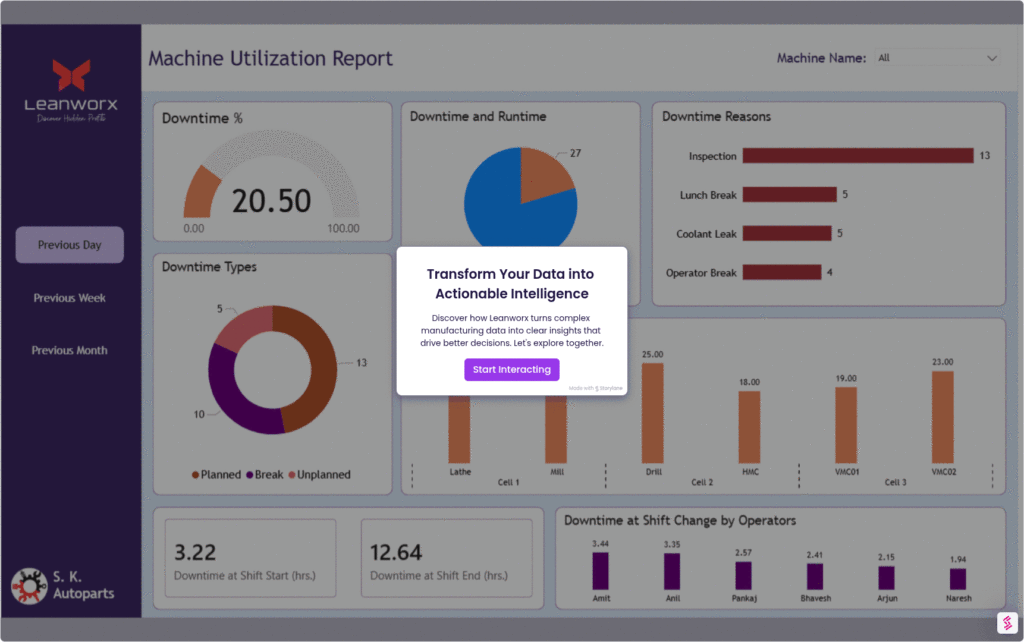
Production teams can instantly see whether machines are running, idle, or stopped due to maintenance. When a machine stops, the downtime is recorded automatically, helping teams understand exactly when the stoppage occurred and how long it lasted.
Operators can easily select the reason for downtime through a simple interface, allowing maintenance teams to build a clear history of machine issues over time. This information becomes extremely valuable for identifying recurring maintenance problems.
With Leanworx dashboards, plant managers can quickly understand which machines cause the highest downtime and which maintenance issues occur most frequently. This allows maintenance teams to focus on solving the most impactful problems instead of reacting to random breakdowns.

Over time, this visibility helps plants shift from reactive maintenance to proactive maintenance.
Instead of waiting for machines to fail, teams can identify patterns and take preventive action earlier. Maintenance activities become more structured, repair times reduce, and machines stay available for production longer.
Leanworx also improves coordination between production and maintenance teams. Since downtime data is visible across the organization, everyone understands the impact of machine stoppages. This transparency encourages faster response and better accountability on the shop floor.
Many manufacturing plants discover that simply having clear machine data leads to significant improvements in maintenance efficiency.
When teams can see exactly where time is being lost, solving the problem becomes much easier.
Reducing high machine maintenance time does not always require major investments or complicated solutions. Often, the first step is simply understanding what is happening on the shop floor.

Once machine performance becomes visible and downtime is tracked properly, maintenance teams can focus on the real problems instead of reacting to symptoms.
With the right visibility and data, plants can reduce maintenance delays, improve machine utilization, and keep production running smoothly.
Try Leanworx for Free.
For 1 Machine
Get live reports, real-time dashboards, mobile alerts, and full production visibility exactly like our paid customers.
FAQs:
1. What causes high machine maintenance time in manufacturing plants?
High machine maintenance time is usually caused by reactive maintenance, lack of downtime tracking, poor maintenance planning, and delayed reporting of machine issues. When plants do not have clear data about machine failures, technicians end up repeatedly fixing the same problems.
2. How can plants reduce machine maintenance time?
Plants can reduce machine maintenance time by tracking downtime reasons, performing preventive maintenance checks, keeping critical spare parts ready, and improving communication between operators and maintenance teams.
3. Why is downtime tracking important for reducing maintenance delays?
4. What is the difference between reactive and proactive maintenance?
5. How does real-time machine monitoring help reduce maintenance time?
Real-time machine monitoring provides instant visibility into machine status and downtime events. This helps maintenance teams detect recurring issues early, respond faster to breakdowns, and shift from reactive to preventive maintenance.